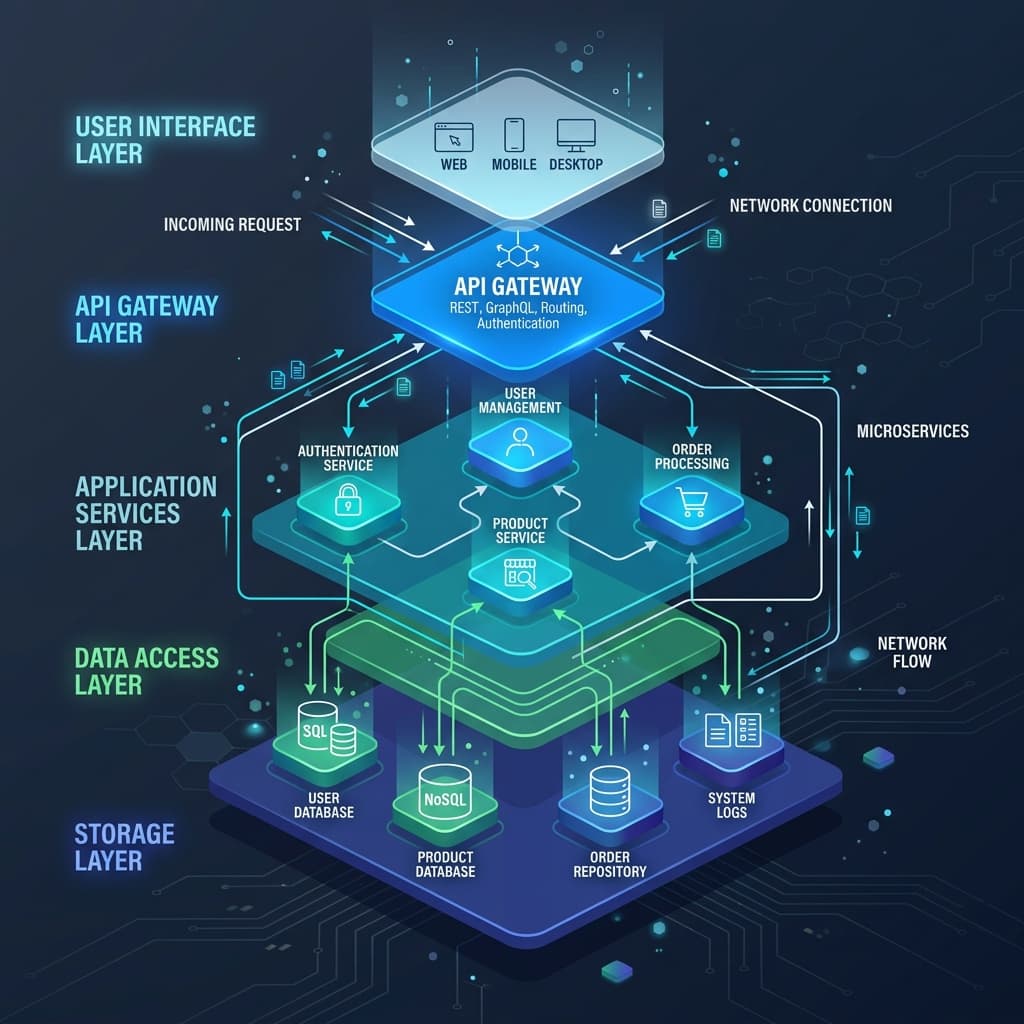
As software architectures transition from human-driven actions to autonomous AI agents, the way we design and consume APIs must undergo a fundamental shift. Traditional APIs were designed for static web clients that follow predictable request paths. In contrast, AI agents execute dynamic, multi-step workflows, calling various endpoints in parallel based on semantic reasoning, which can quickly trigger rate limits, cause server load spikes, and run into API execution loops.
To support these agentic clients, API developers must build self-describing, structured endpoints. AI agents rely on OpenAPI schemas, documentation strings, and strict JSON type declarations to learn how to call an API. If the schema is ambiguous or lacks detailed error descriptions, the agent might formulate incorrect parameters, resulting in failed transactions and token waste. Providing clear metadata and schema validation is now a core requirement for developer APIs.
Additionally, resilience patterns must be built directly into the integration layer. When an agent runs a complex task that involves writing to databases or calling external third-party tools, it is vital to enforce idempotency. By requiring unique idempotency keys for all mutating requests (such as POST and PATCH), developers ensure that if the agent encounters a network timeout and retries the request, the server will not perform the operation twice.
On the server side, rate-limiting must be adapted for machine speed. AI agents can trigger hundreds of requests in a few seconds, far exceeding standard human thresholds. Implementing token bucket algorithms, providing detailed rate-limit headers (e.g., Retry-After), and establishing dedicated agent queues help protect server resources while giving agents clear instructions on when to pause and throttle their execution rates.
Designing for autonomous agents means building APIs that are robust, self-documenting, and resilient to unpredictable interaction loops. Engineers who prioritize these principles will create systems that integrate seamlessly with agentic ecosystems, unlocking new possibilities for automated digital collaboration.